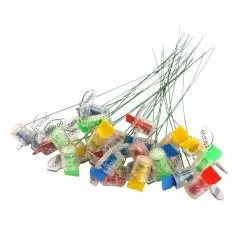
Meter Anti-tampering

Complete tamper-evident solutions for water, gas and electricity meters: magnetic field indicators to detect magnet misuse, sealing wire & numbered security seals for traceable closures, and protective covers to deter access and weather impact. Easy installation, clear evidence for audits and inspections, suitable for property managers, utilities and maintenance teams. Quick ordering, bulk pricing and technical support to pick the right setup for your metering system.

Showing 1-12 of 12 item(s)

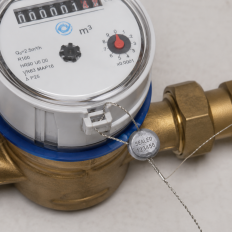
Meter Anti-Tamper — operational guide for seals and lead sealing

Systems that prevent unauthorised openings and make every intervention visible on water, gas, electricity and heat meters. Choose between plastic meter seals, lead seals + wire and accessories, and apply them in a traceable, audit-proof way.

Quick selector (decide in 30 seconds)

  • Water (outdoor/humidity): lead seal + stainless wire (anti-corrosion) or a fast plastic pin seal. Colours for team/utility coding.
  • Gas (cabinets/valves): lead seal + steel/copper wire, path that blocks the lever/valve or door. Prefer materials tolerant to temperature swings.
  • Electricity (terminal covers/screws): lead seal + wire through cover holes; alternative plastic tail seal where provided. Work only on a de-energised system and by authorised personnel.
  • Heat/AMR: compact plastic seals or lead seals on probe/module lids; add a service label for date/operator.

Components & technical choice

  • Lead seals (lead-free options available): close with sealing pliers and dies (logo/code). Pair with wire (copper, steel, stainless) using a diameter compatible with meter holes.
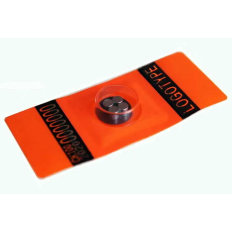
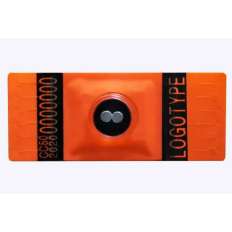
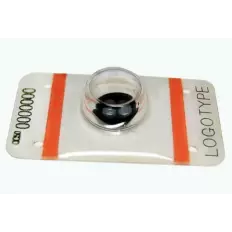
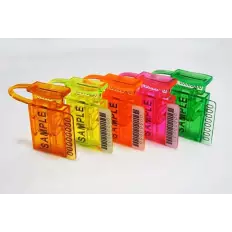
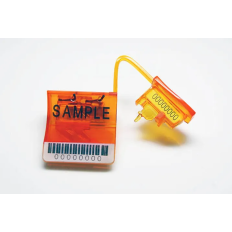
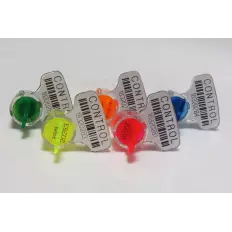
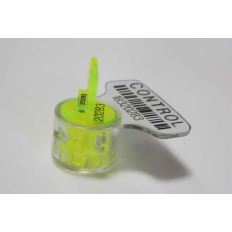
  • Plastic meter seals: body + pin/tail; numbered, quick, ideal where there is no space for a lead seal.
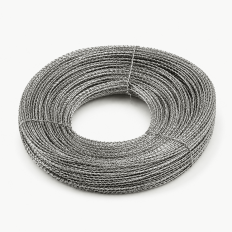
  • Sealing wire: choose material by environment (stainless for outdoor/humidity, copper for easy forming) and length suited to the path.
  • Accessories: pliers with custom dies, service labels (date/operator), cable guides.

Correct application (SOP)

  1. Preparation: check component integrity, log serials/die codes before use. Clean pass-through points.
  2. Wire path: route through aligned holes (cover, slots, screws) so that any opening requires cutting the wire. Avoid sharp edges.
  3. Closing: Lead seal → insert wire and crimp with pliers until the die mark is legible and the wire does not rotate. Plastic → insert the pin until it clicks; it must not back out.
  4. Check: slight twist/pull test — the seal must remain solid. Add a service label (date/signature) if required.
  5. Traceability: record seal serial, die code, site ID, operator, timestamp on register/WoD; optional macro photo.

Sizing & compatibility

  • Holes/eyelets: pick wire diameter and seal size that fit snugly; no slack, no leverage.
  • Environment: outdoor/UV/rain ⇒ prefer stainless and UV-stabilised plastics; cold rooms ⇒ materials that do not embrittle.
  • Space: in tight enclosures, use compact plastic seals or small lead seals with a short path.

Verification/receiving checks

  • Serials/die marks match registers or work order.
  • Mechanical integrity: clean crimp, wire not frayed, no suspicious deformation.
  • Tension: no play; cover/valve must not move.
  • Evidence: photos and notes for replacements, anomalies or scheduled access.

Mistakes to avoid (no excuses)

  • Wrong wire path that does not block opening: the seal becomes decorative.
  • Slack allowing rotation/micro-openings.
  • Materials unfit for environment (rust, UV): use stainless/UV-stable where needed.
  • No record of serials/dies: weak traceability = disputes.
  • Unauthorised work on electric/gas: safety and compliance risks. Always follow utility procedures.

Quick FAQ

  • Reusable? No: seals and lead seals are single-use. Any reopening must be evident.
  • Lead seal or plastic? Lead = highest deterrence and custom die; plastic = speed and small footprint. Choose by space and audit needs.
  • Outdoor resistance? Yes, with stainless wire and UV/temperature-resistant plastics. Avoid unprotected copper in aggressive environments.
  • Authorisation required? For live meters, yes: comply with utility rules; on electrical, de-energise before work.

Golden rule: design sealing around the point to block, the environment and traceability. One well-placed seal beats two random ones.

https://www.adesivisicurezza.it/modules/iqithtmlandbanners/uploads/images/68b05624ebec9.jpg
Product added to wishlist