Your cart
There are no more items in your cart





payment 100% Secure Payments

star_borderVerified customer reviews on Trustpilot
phone Customer Service +39 0521 1870015
local_shipping We ship to all EU countries and worldwide
Cost based on weight and destination, calculated in the cart. EU: standard approx. 5 working days, Express approx. 2.
sync Easy returns within 14 days
stars Certified Original Products
verified_user 24-month International Warranty

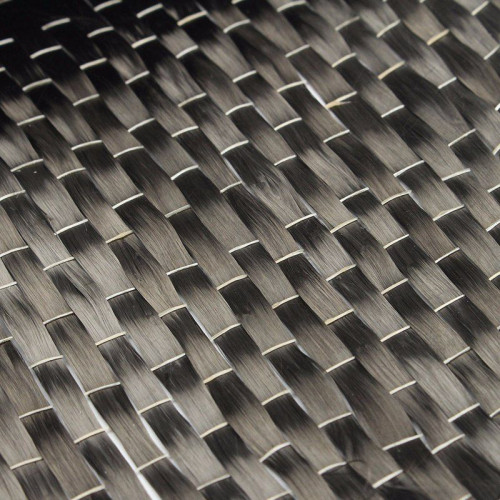
Balanced fabrics with mechanical strength values similar to those with plain weave.
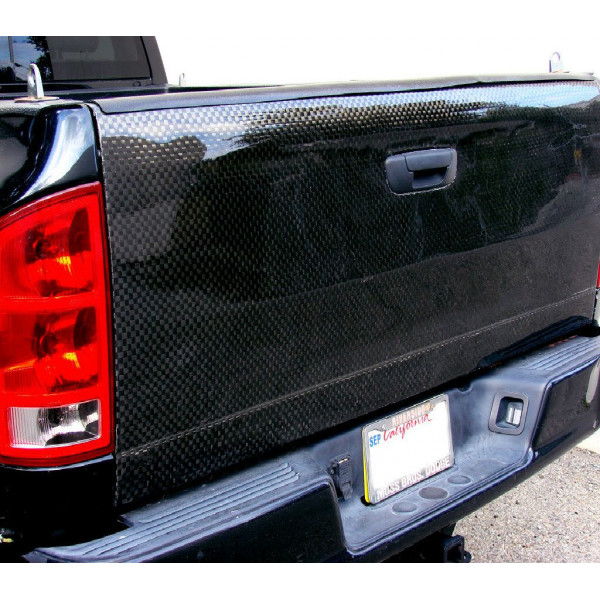
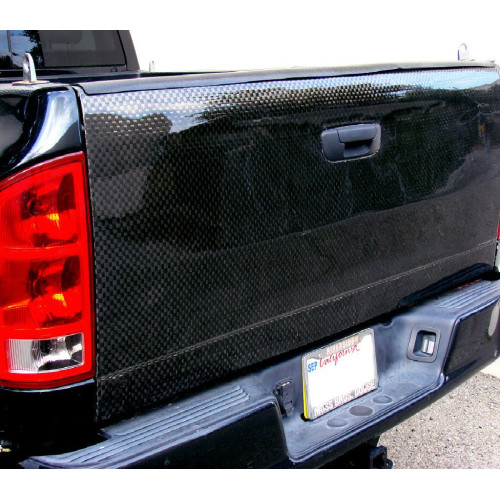
The twill weave gives the fabric greater adaptability; they are therefore suitable for more complex-shaped products, such as fairings and shells in the automotive sector, sports equipment, bicycle parts, skating shoes, or to faithfully produce a fender or fairing of a motorcycle in polyester or epoxy resin.
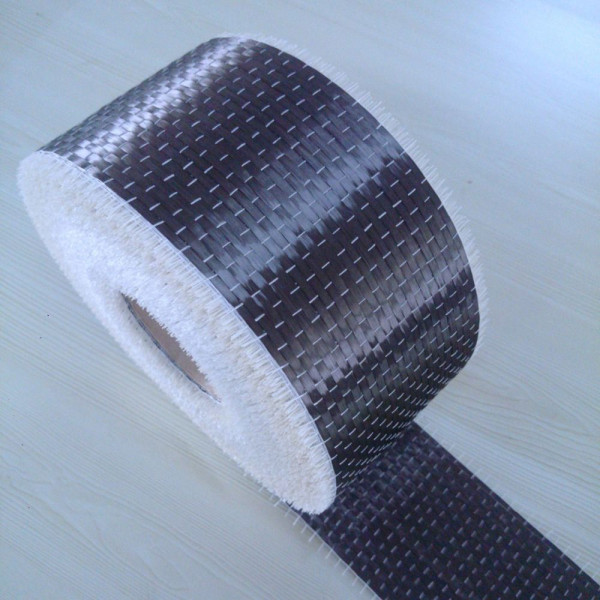
Carbon fiber is a filament structure, very thin, made of carbon with which a wide variety of materials called composites are built, since the fibers are “composed,” meaning combined together with a matrix, usually resin, whose function is to hold the strong fibers “in place” (so they maintain the correct orientation in absorbing stress), protect the fibers, and also maintain the shape of the composite product.
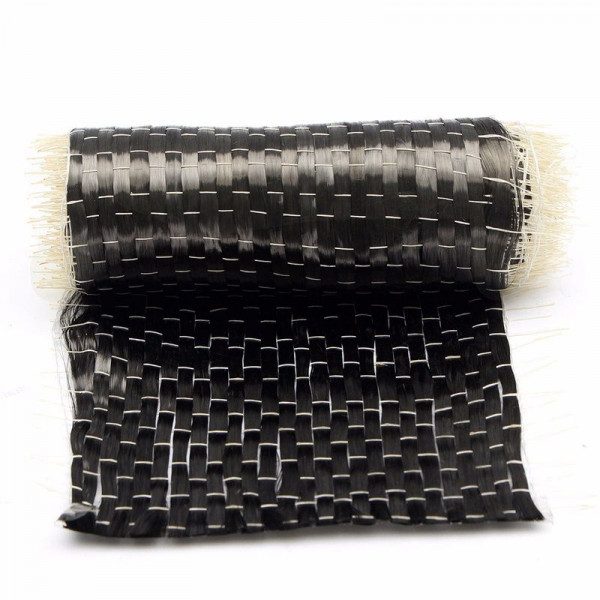
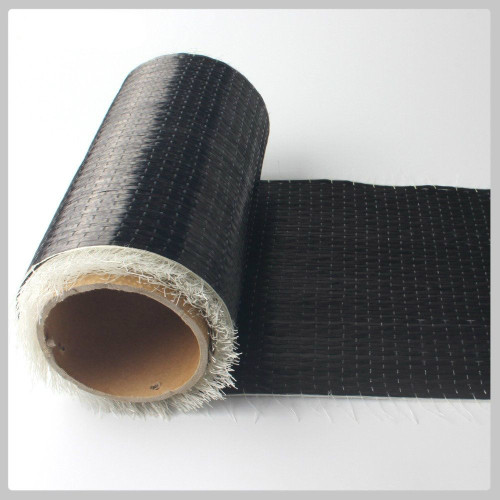
For the construction of composite structures, carbon fibers are first woven together to form true carbon fabric sheets and then, once placed, they are immersed in the matrix.
Among its characteristics stand out high mechanical strength, low density, thermal insulation capacity, resistance to temperature variations and the effect of chemical agents, and good fire-retardant properties.
On the downside, the material is not homogeneous and often shows marked anisotropy.
We recommend impregnating carbon fiber fabrics exclusively with epoxy resin matrices (all our fabrics are compatible with the epoxy resins available in our stores) to achieve the maximum aesthetic and structural performance.