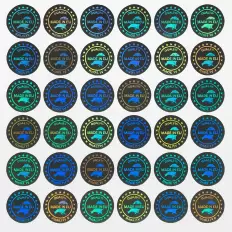
Protective labels are widely used around the world and on many products, making them the most reliable security solution to protect against counterfeit goods.
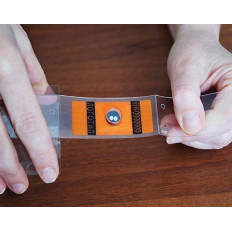
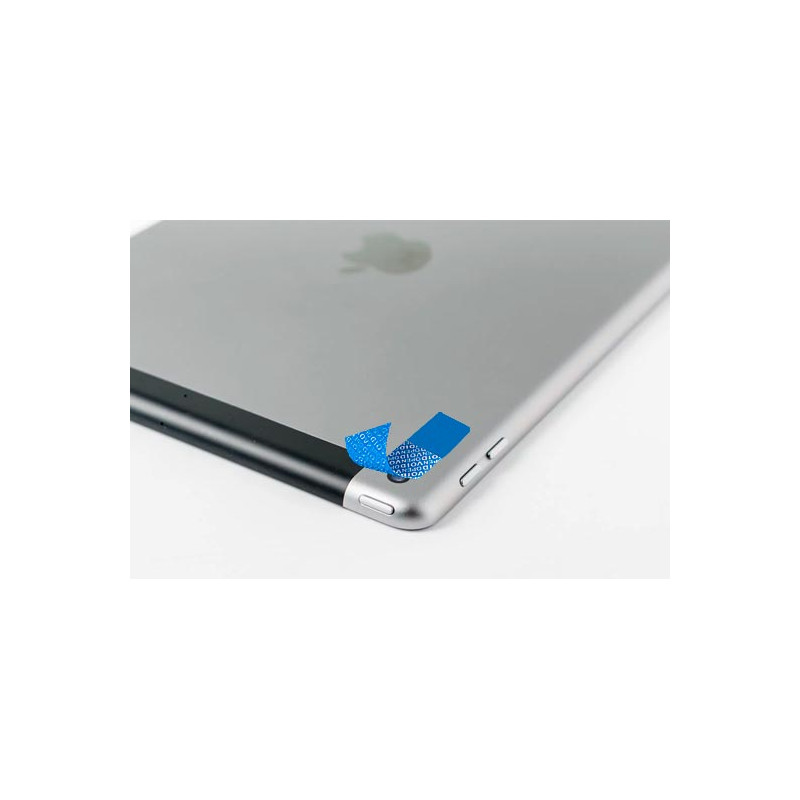
The tamper-proof camera labels are designed for the lens of camera phones to prevent photos of secure data. Total removal, partial removal, or even lifting the edges of the label will produce a visual indicator that allows quick identification by the security team.
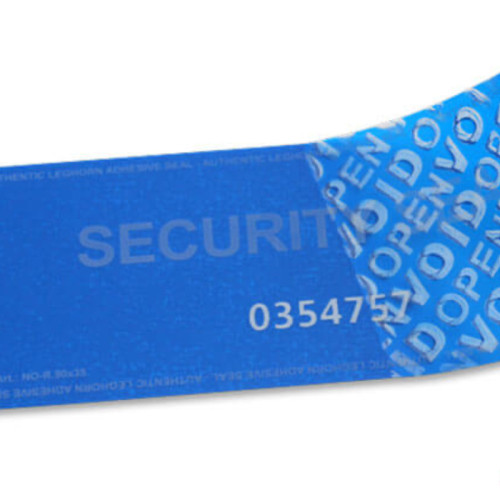
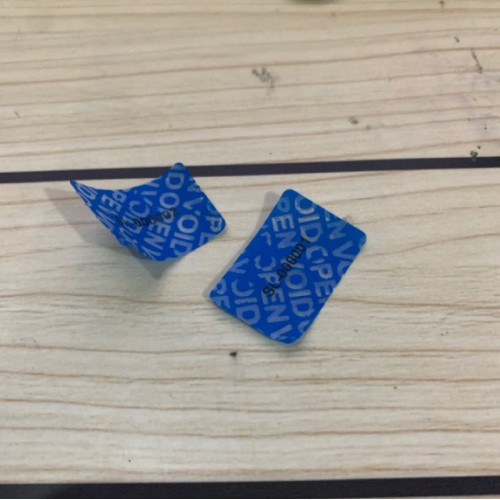
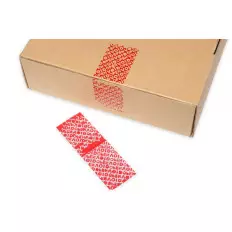
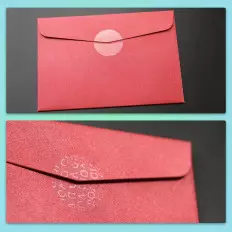
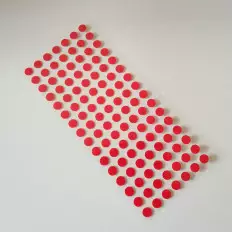
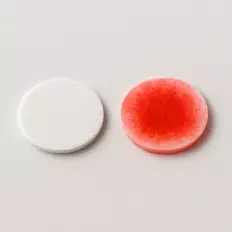
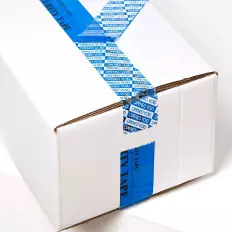
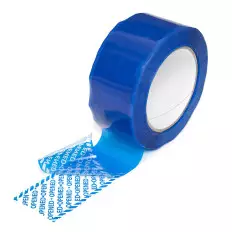
The "no residue void label" tamper-evident labels without ink transfer are made to leave no residue on the surface to which they are applied, but as soon as removal is attempted, the label voids itself by displaying the message OPEN TAMPERED and cannot be reapplied. This means no more continuous checks wasting valuable time and money.
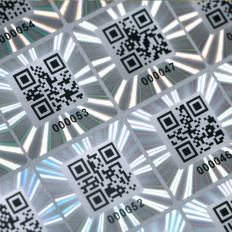
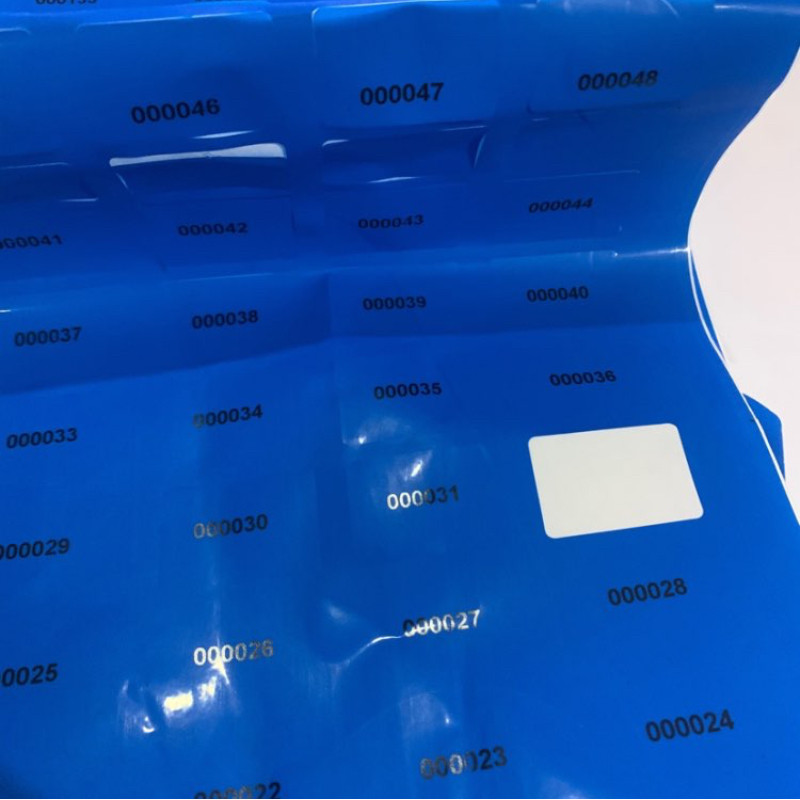
Void tamper-evident labels are sequentially numbered and can be made in different colors and sizes. We therefore guarantee the excellent quality of this product. Discount for bulk purchases. Apply to a clean and dry surface.
Our special no-residue void tamper-evident labels are widely used for application on the cameras of smartphones and tablets, webcams, and camera lenses in general, and therefore in all situations where it is important to avoid the possibility of photographing work environments such as factories, offices, or public spaces such as museums, institutional headquarters, etc.
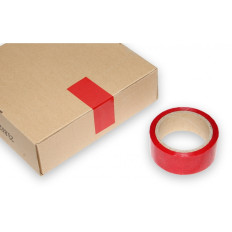
No-residue void labels are also used as a security seal on car doors and transportation vehicles in general (aircraft, helicopter, ship, and truck doors) or on vehicles subject to inspection/seizure or in situations where it is necessary to verify the possible opening and/or tampering by unauthorized users.
Tamper-evident VOID seals (numbered) for privacy, access control and chain-of-custody
Designed to make any attempt to open or remove a seal unmistakably visible, these labels invalidate the seal and discourage unauthorized use. They are ideal wherever traceability, fast auditing and fewer disputes matter.
Where they really make a difference
- RMA & service flows: link each seal to the device and ticket; quick verification on return.
- Rental/asset sharing: faster check-in/out with fewer arguments about damage or access.
- Sensitive areas (meetings, sets, labs, plants, exhibitions): instant evidence of any opening.
- Logistics & custody: seal compartments, panels, cases and critical components.
Recommended placement (to boost effectiveness)
- Bridge two parts (e.g., cover + housing, hatch + body) so the seal breaks on the first movement.
- Overlap screws or service flaps: immediate visual clue if someone intervenes.
- Bays and housings (batteries, cards, lenses, hubs): place the seal so opening “cuts” the label.
Application best practices
- Degrease with isopropyl alcohol and a lint-free cloth; avoid waxy or silicone sprays.
- Avoid touching the adhesive; align and press with even pressure for 5–10 s.
- Allow time before mechanical stress: bond stabilizes within ~24 h at 18–25 °C.
- Record the seal code on delivery notes/tickets to secure traceability and cut disputes.
Surface compatibility (and honest limits)
- Best on smooth plastics (ABS, PC), painted metals, anodized aluminum, glass.
- Challenging: silicone, PTFE/teflon, very rough rubbers, degraded soft-touch finishes and low-surface-energy plastics (PP/PE).
- Run a quick micro-test on your finish and workflow before large-scale use.
Inspection & removal
At return or entry into a sensitive area, perform a visual inspection. If the seal looks altered, treat the device as non-compliant. For RMAs, take a photo of the intact seal at intake: this eliminates disputes and wasted time.
Typical use cases
- Industry & factories: panel/compartment sealing to prevent unauthorized interventions.
- Events, museums, public bodies, education: immediate control of access to recording functions.
- Photo services & rental: lenses, camera bodies, flight cases, sensitive accessories.
- IT & security: demo laptops, test devices, equipment under custody.
Operational FAQ
Curved surfaces?
Yes, provided there is full contact without tension. Avoid tight radii and sharp edges; leave a safety margin.
Marking by pen?
You can add internal codes on a non-printed area with a fine permanent marker.
Outdoor use?
Intended for standard indoor environments. For outdoor or intensive wash cycles, validate with a real-world test.
Customization?
On request we can assess dedicated layouts (e.g., department/line fields, signature boxes, optional QR/ID).
At a glance
- Instant evidence of opening or tampering.
- Smoother procedures for privacy, security, service and rental.
- Clear traceability throughout the device journey.
Note: format, color, pack and other commercial details are shown in the product data.