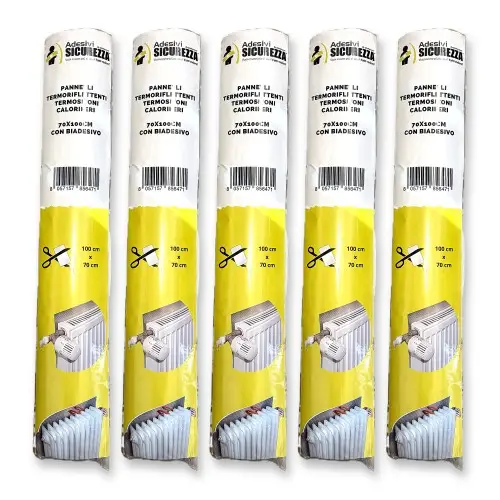
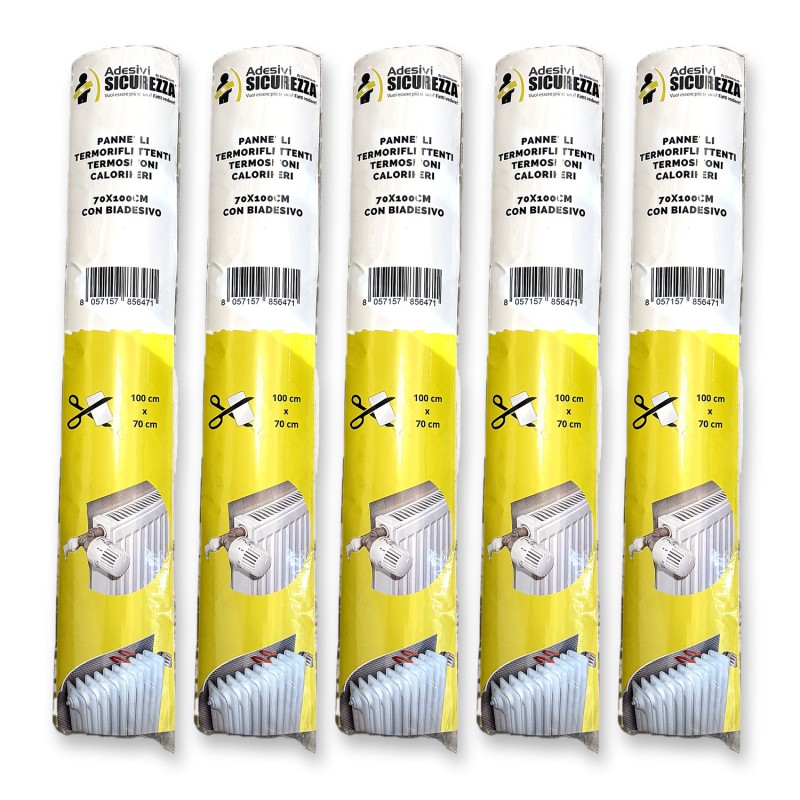
Five panels to heat the house better
The rooms that warm up worst are almost always those with radiators on external walls or in recesses under windows. With five panels you fix them all at once: one per radiator, and two side by side for the longer ones.
Adhesive over the whole panel: fitted in no time
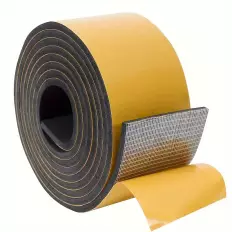
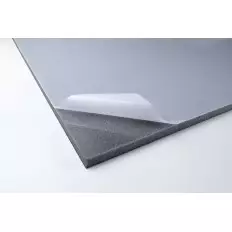
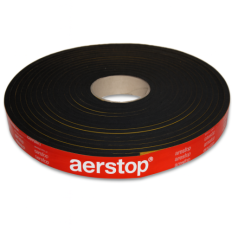
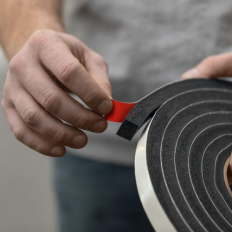
With ordinary panels you have to unwind the double-sided tape, cut it into strips, stick it on the back and hope it holds: after a few days of heat the corners lift and the panel curls. These have the adhesive already spread over the whole back: peel off the liner, press the panel against the wall and you’re done. It bonds across the entire surface and stays in place even with the radiator on.
What a reflective panel behind the radiator is for
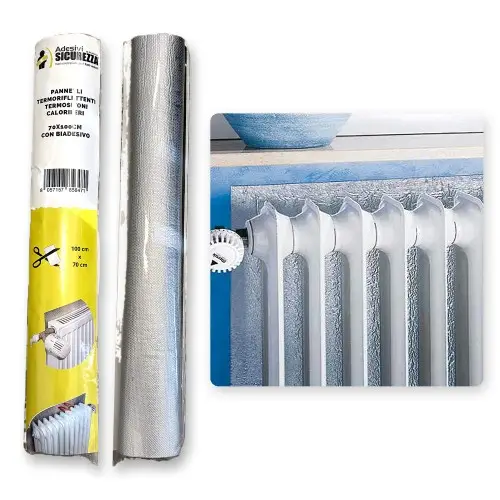
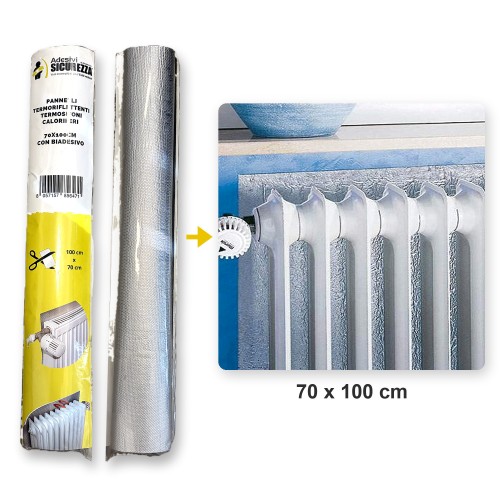
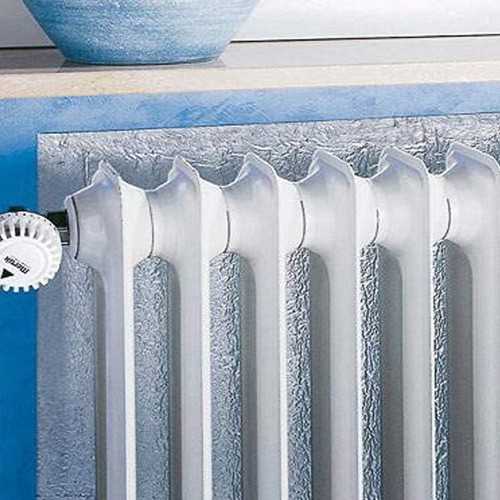
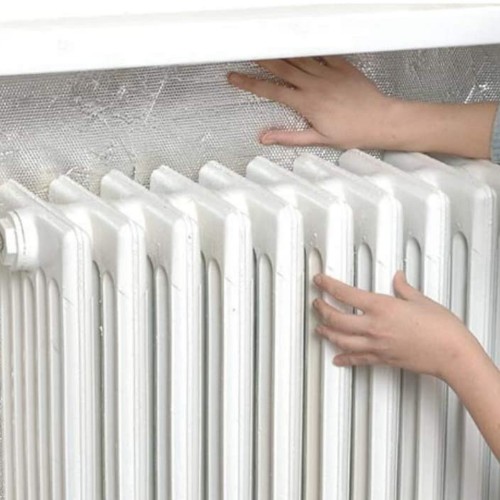
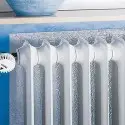
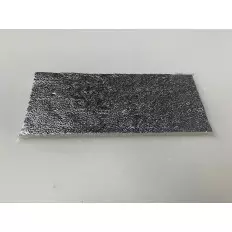
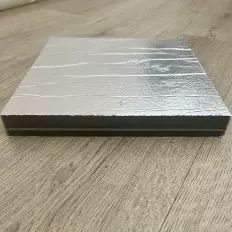
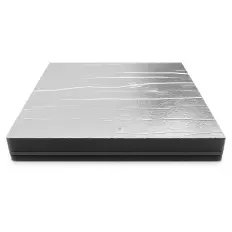
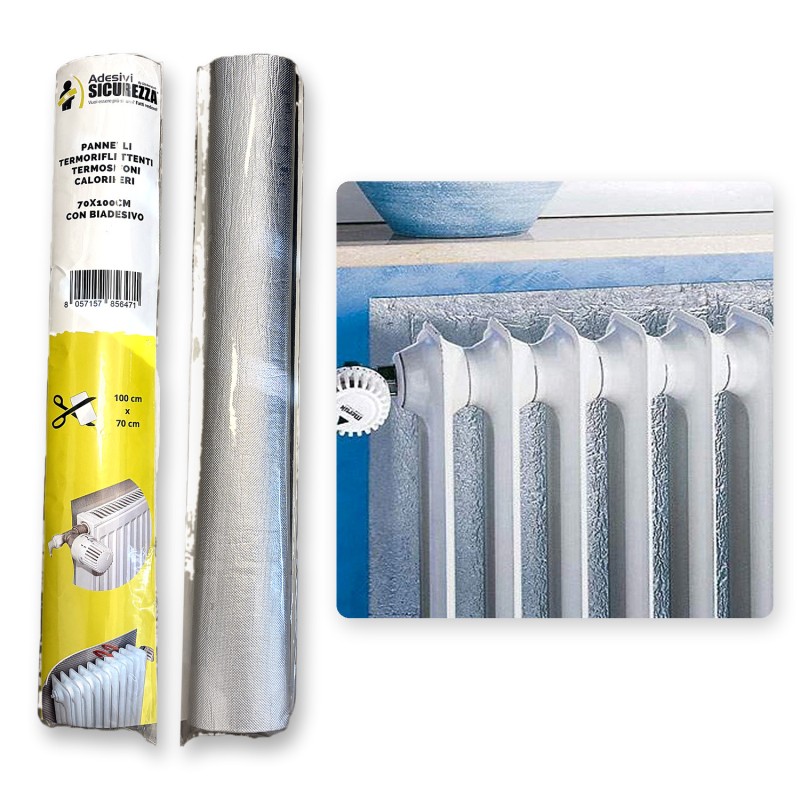
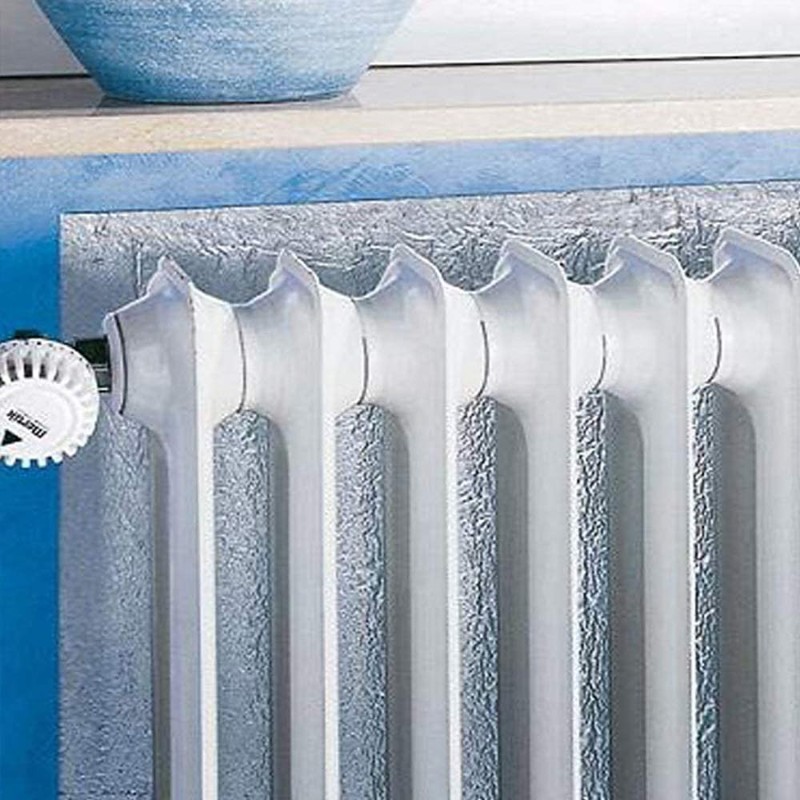
A radiator doesn’t only heat the room: it also heats the wall behind it. If that wall faces outside, or if the radiator sits in a recess under a window where the wall is thinner, part of the heat goes into the wall and is lost outdoors. The heat reflective panel acts as a shield: the aluminium sends the heat back into the room and the foam layer separates the radiator from the cold wall.
When it is worth it, and when it helps little
It pays off on radiators fixed to external walls, especially uninsulated ones, and on radiators in recesses under windows. It is also one of the tips from ENEA, the Italian energy agency, for spending less on heating. On an internal wall between two heated rooms the benefit is small: the heat that goes into the wall stays in the house anyway.
How much you save
It depends on the wall, on how well the house is insulated and on how many hours the heating is on, so nobody can promise a fixed figure. Estimates published by energy companies and home guides speak of a few percentage points more heat into the room, up to about 10% in the most favourable cases, i.e. uninsulated external walls.
How to fit it
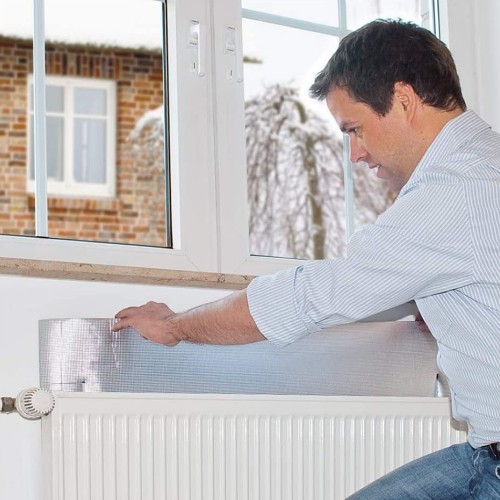
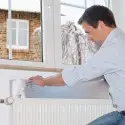
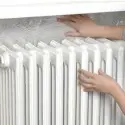
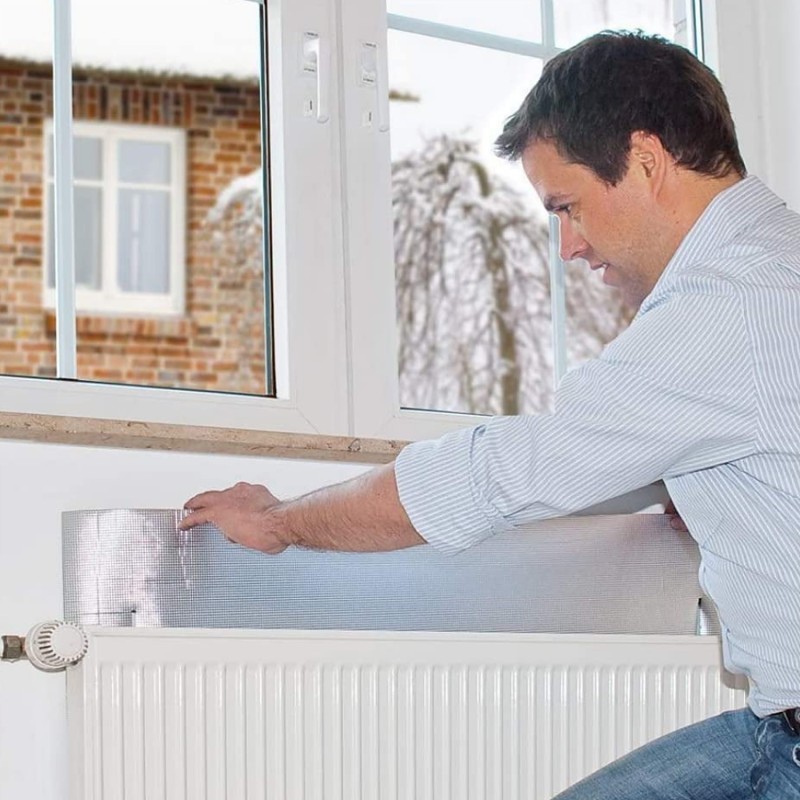
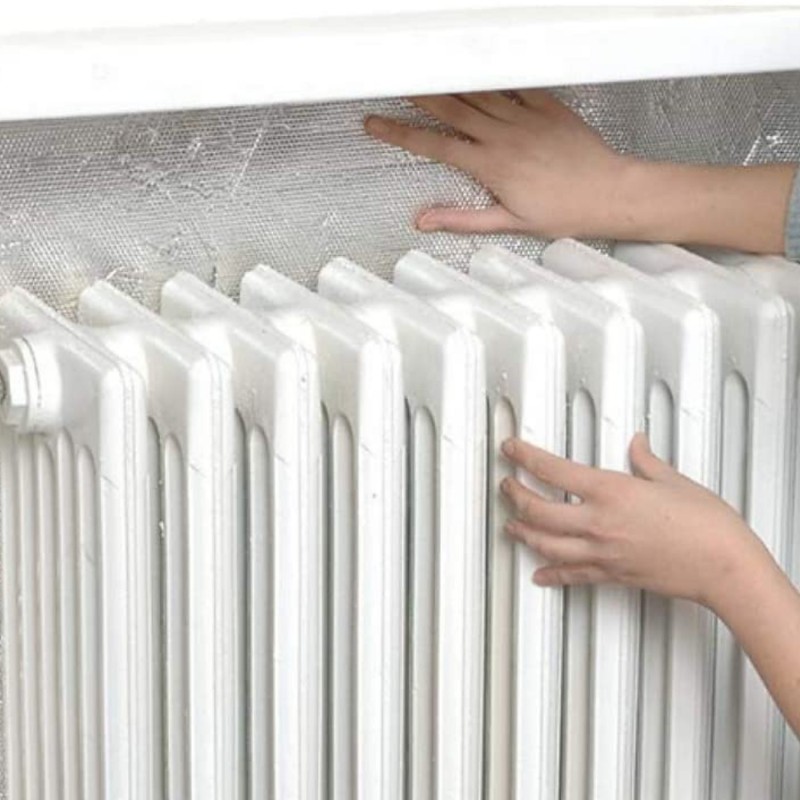
With the radiator off and cold, measure the space behind it: the height and width of the radiator plus a few centimetres on each side. Unroll the panel and cut it to size with scissors or a cutter; to get past the brackets, make a straight cut from the edge up to the bracket. Dust the wall, peel off the liner a little at a time and press the panel against the wall with the aluminium facing the radiator. There is no need to remove the radiator.
Frequently asked questions
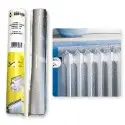
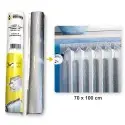
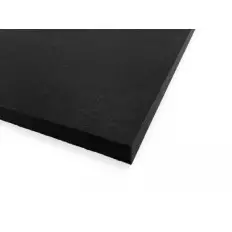
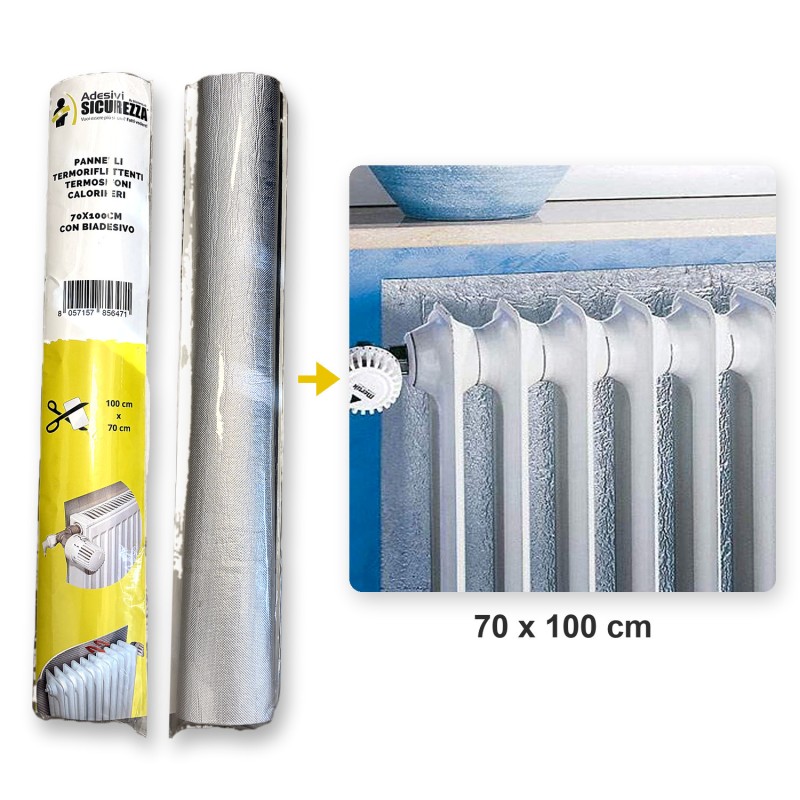
What’s in the pack? Five 70 x 100 cm panels, 3 mm thick, each rolled in its own bag, with the adhesive already on the back.
Do they really work? Yes, where heat goes into the wall: external walls and recesses under windows. On internal walls the effect is minimal.
Which way round do they go? The adhesive side goes on the wall, the aluminium faces the radiator.
Can I use kitchen foil? It reflects, but it is thin, tears easily and doesn’t separate the radiator from the cold wall. The panel has a 3 mm insulating layer and keeps its shape.
Do they work with thermostatic valves? Yes, the panel sits on the wall and doesn’t change how the valve works.
Do they arrive folded? No, each panel arrives rolled in its own bag, so it doesn’t get marked.
Need just one panel? There is also the single 70x100 cm heat reflective panel. For stoves or stronger heat sources there is the 10 mm extra-thick version. More insulation products in the Thermal and Acoustic Insulation Solutions category.
Room still cold? In the guide How to make your radiators heat better you will find the other checks to do: air to bleed, valves, dust, draughts.
For businesses: VAT invoice and quotes for larger quantities – write to [email protected].